
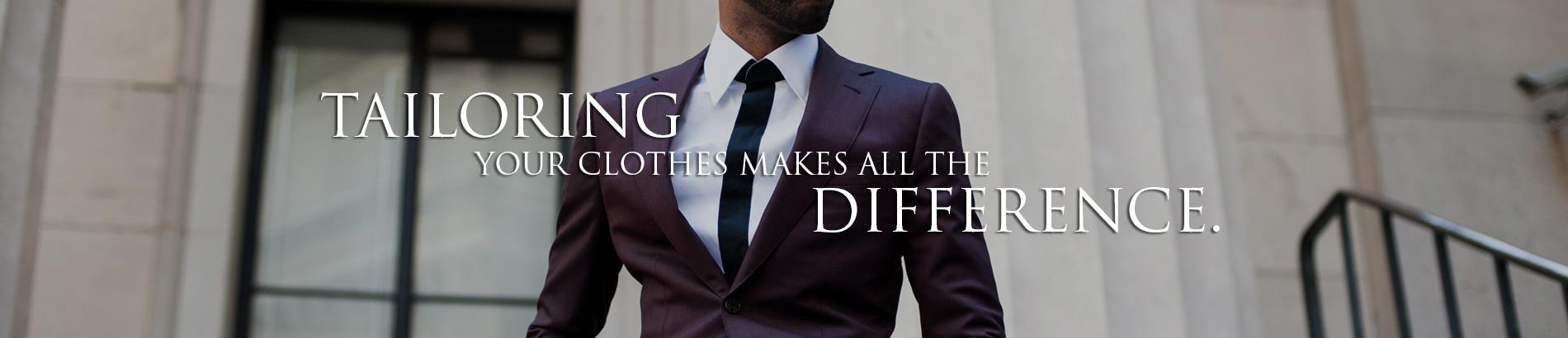

What Suit Should You Wear to a Job Interview?
Job interviews are one of the few professional settings where you are being evaluated on visual cues within the first few seconds of the interviewer seeing you. Everything you say afterwards happens against the impression your appearance has already made. Get the suit right and you start the conversation from a position of quiet credibility. Get it wrong and you spend the interview overcoming an unhelpful first read.
This guide is written for candidates preparing for interviews across a range of industries and seniority levels. It covers colour, fit, industry-specific expectations, common mistakes, and the small details that separate a suit that helps your interview from one that hinders it. It is written by a tailor rather than a recruiter, so the focus is on the clothing decisions themselves rather than the interview process.
Tom's Fashion has been tailoring since 1983, with a client base that includes candidates preparing for senior corporate roles, career-changers, and professionals across industries. What follows is drawn from that experience.
The Universal Principle: Dress One Step Above the Role
The most reliable rule for job interview attire is to dress one small step above what people in the role you are interviewing for typically wear day-to-day. If the target role is business-casual, wear a proper suit. If the target role is a formal business suit environment, wear a well-fitted, more considered suit than the daily standard. If the target role is technical or creative and casual, wear smart trousers and a well-cut jacket rather than a full suit.
The reason this rule works is that it signals two things simultaneously: you understand the environment you are entering, and you are taking the interview seriously. Overdressing beyond one step reads as trying too hard or misunderstanding the culture. Underdressing reads as not taking the opportunity seriously. One step above is the safe middle ground for almost every interview scenario.
The Colour That Works Almost Everywhere
For most corporate, finance, law, consulting, and government interviews, navy is the safest and strongest interview colour. It reads as competent, serious, and considered without carrying any specific industry association that might read as wrong for the role. Navy also flatters most skin tones, photographs well in badge photos or company websites, and never looks dated across the years the interviewer might remember it.
Charcoal is the second safe choice, slightly more formal than navy and particularly appropriate for senior roles, boardroom-adjacent positions, and traditional environments like law firms and financial institutions. Mid-grey works for less adversarial interviews, casual corporate cultures, and creative-adjacent roles. Black is best avoided for daytime interviews; it reads as either funereal or overly formal in most business contexts. Bright colours and unconventional patterns are almost always the wrong choice, since anything that draws attention to the suit rather than the wearer works against you in an interview.
Matching the Suit to the Industry
Different industries expect different levels of formality, and matching the suit to the target industry is one of the highest-value calibrations you can make.
Law, Finance, Consulting, and Traditional Corporate
These industries lean formal. A well-cut navy or charcoal suit with a classic notch lapel, white or pale blue shirt, and a subtle silk tie is the reliable choice. Polished black leather shoes. Understated cufflinks if the suit has French cuff shirts. Nothing about the outfit should read as fashion-forward or distinctive. The goal is to look like you already belong in the office you are interviewing for.
Technology and Creative Industries
These environments run more casual, and full formal suits can read as out of step with the culture. A dark navy or grey suit worn with a good quality shirt but no tie can work well. For very casual tech and creative environments, smart trousers with a well-cut sport coat or blazer often lands better than a full suit. Research the specific company culture before the interview; a startup with a founder in t-shirts calls for different attire than an established tech company with a business-casual dress code.
Government, Diplomatic, and Public Sector
Formal, conservative, and understated. Charcoal or navy suits, classic silk ties, polished formal shoes. These environments respect traditional dress codes even where private-sector culture has moved on, and dressing formally reads as respect for the institution.
Sales, Client-Facing, and Business Development
Slightly more formal than the daily standard, since the interviewer will assess whether you can meet clients well. Navy or charcoal suit, classic tie, polished shoes. The interviewer is imagining you across a table from their most important client.
Fit: The Detail That Beats Every Other Choice
A perfectly chosen colour and cut is undone by poor fit, and interviewers notice fit more consciously than most other visual details. A suit that fits wrong reads as inattentive to detail, which is the exact opposite of the impression you want to make.
Off-the-rack suits fit most people approximately. A well-made custom suit fits properly. If you have time before an important interview and the role justifies the investment, working with a tailor in Bangkok or through a traveling tailor visit in your city means the finished suit follows your actual shape rather than an averaged approximation. For candidates interviewing for senior corporate roles across multiple stages, this is often a worthwhile investment that pays off across the interview process and later in the job itself.
At a minimum, check the following at any suit you wear to an interview. The shoulder seam sits at your natural shoulder edge, not past it. The chest shows no horizontal wrinkles when the jacket is buttoned. The collar sits flat against your shirt without gapping. The sleeves end at your wrist with about half an inch of shirt cuff showing. The trousers break cleanly at the shoe, neither pooling nor sitting too short. If your existing suit fails on any of these, tailoring adjustments before the interview are cheap and worthwhile.
Shirt, Tie, and the Supporting Details
The shirt should be crisp white or pale blue for almost every interview. Both photograph well, work under any lighting, and match with almost any suit colour. Avoid strong patterns, bold colours, or fashion-forward shirt choices for interviews. Cufflinks, if you wear them, should be subtle and understated.
The tie should be a classic silk in navy, burgundy, deep grey, or a subtle pattern that reads as considered rather than showy. Avoid novelty ties, patterns with recognisable brand elements, and any tie that will be the most memorable part of the outfit. Belt should match the shoes: black belt with black shoes, brown with brown. Shoes should be polished and in genuinely good condition; scuffed shoes undermine an otherwise well-chosen outfit noticeably. Socks should be dark and long enough that no skin shows when you sit down.
Interviewing for a Senior Role
Senior role interviews have higher visual expectations than mid-level ones. The interviewer at this level is often a peer or superior of the person you would report to, and they assess whether you look like a leader they would trust with the role's authority. This calibration matters.
For senior interviews, invest in a proper well-cut suit rather than making do with an existing one. Choose charcoal or navy in a quality wool. Consider a subtle three-piece with a waistcoat if the industry supports it and the interview is genuinely formal. Small details signal seriousness: hand-finished buttonholes, working sleeve cuffs, and precise fit all read as attention to detail that translates to how the interviewer expects you to approach the job.
Ordering a garment specifically for the interview process from a Bangkok suit tailor is a considered investment that also serves as the foundation for your professional wardrobe once you land the role.
Common Interview Suit Mistakes to Avoid
Several mistakes appear consistently in interview attire, and each is worth flagging so you can avoid them.
The first is wearing something too fashion-forward. Interviews are not the place for trend colours, unusual cuts, or statement pieces. The second is wearing an ill-fitting suit because it is what you already own; small tailoring adjustments before the interview are cheap and make a genuine difference. The third is neglecting the shoes; scuffed or worn shoes undermine an otherwise well-chosen outfit. The fourth is overdressing significantly beyond the industry norm; wearing a tuxedo to a startup interview reads as misunderstanding the environment. The fifth is neglecting the small details like a well-groomed appearance, a clean shirt, and a properly knotted tie.
How Tom's Fashion Works With Interview and Career Clients
Tom's Fashion has been tailoring since 1983, with clients ranging from early-career professionals preparing for their first major role to senior candidates moving into C-suite positions. Every garment is hand-cut and assembled in-house at our shop on Sukhumvit Soi 8 in Bangkok, by craftsmen trained in the Shanghainese tradition, with a pattern kept on file for all future orders. For candidates who land the role and continue building their wardrobe, the pattern-on-file service means every subsequent order builds on the foundation of the first.
For candidates unable to visit Bangkok, our traveling teams run regular trips to cities across the US, Canada, Europe, Australia, and Asia, with private one-on-one appointments arranged at your office, hotel, or home.
To order a suit ahead of an important interview or a wardrobe for a career step, book your appointment with our team.
Mobile/WhatsApp: +66 81 875 0216
Frequently Asked Questions
What colour suit is best for a job interview?
Navy is the safest and strongest interview colour for most corporate, finance, law, consulting, and government roles. Charcoal is a strong second choice, particularly for senior roles and traditional environments. Mid-grey works for less adversarial interviews and casual corporate cultures. Avoid black for daytime interviews and any bright or unconventional colours.
Can I overdress for a job interview?
Yes, if you dress significantly above the industry norm. A tuxedo at a startup interview, morning coat at a tech company, or three-piece formal suit at a creative agency all read as misunderstanding the culture. The safe rule is one small step above what people in the role typically wear day-to-day, no more.
Should I wear a tie to a job interview?
For most corporate, finance, law, consulting, and government interviews, yes: a classic silk tie in navy, burgundy, deep grey, or subtle pattern. For technology, creative, and casual corporate interviews, a good quality shirt without a tie often works better. Research the company culture before deciding, and lean formal if uncertain.
What should I wear to a startup or tech interview?
Smart trousers with a well-cut sport coat or blazer often lands better than a full formal suit at most tech and startup companies. A dark navy or grey suit worn with a good quality shirt but no tie can also work. Research the specific company culture before the interview, since startups vary widely.
Does the fit of my interview suit really matter?
Yes, significantly. Interviewers notice fit consciously and unconsciously, and a poorly fitting suit reads as inattention to detail. Even minor tailoring adjustments to an existing suit before an important interview are cheap and worthwhile. For senior role interviews across multiple stages, ordering a proper custom suit is often a worthwhile investment.
What shoes should I wear with an interview suit?
Polished black leather shoes with navy, charcoal, or grey suits. Brown leather can work with mid-grey or lighter suits but is riskier in traditional corporate settings. Whatever you wear, ensure they are polished and in genuinely good condition. Scuffed or worn shoes undermine an otherwise well-chosen outfit noticeably.
Should I invest in a custom suit for a job interview?
It depends on the role and the interview process. For senior corporate, law, finance, or consulting interviews with multiple stages, a properly cut custom suit is often a worthwhile investment that pays off across the interview process and later in the job itself. For entry-level or single-round interviews, a well-fitted off-the-rack suit with tailoring adjustments is often sufficient.
What are the most common interview suit mistakes to avoid?
Wearing something too fashion-forward, wearing an ill-fitting suit without tailoring adjustments, neglecting the shoes, overdressing significantly beyond the industry norm, and neglecting small details like a clean shirt and properly knotted tie. Each of these undermines the impression the suit is meant to create.