
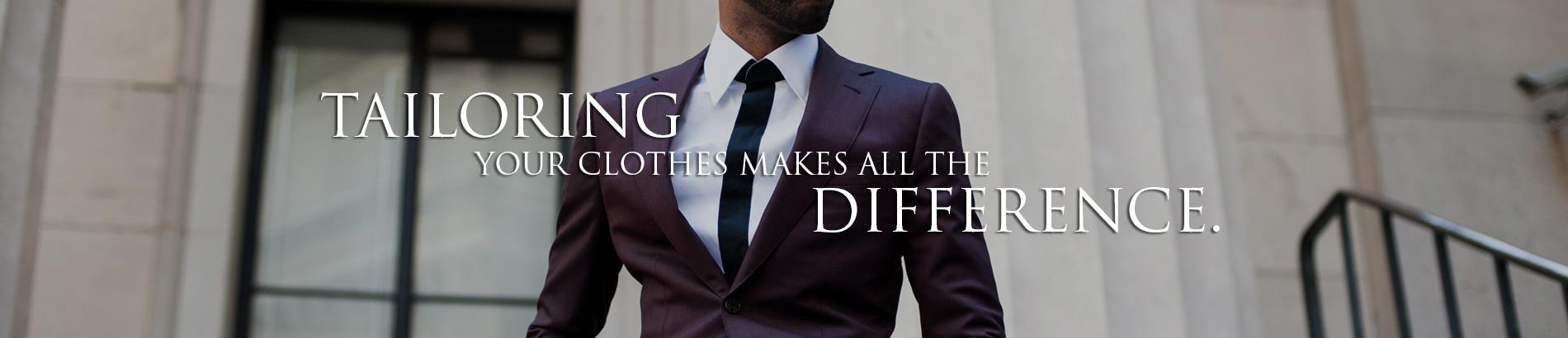

Dress Like You Lead: The CEO's Guide to the Perfect Custom Suit
There is a specific way that senior executives dress, and it looks different from general business wear. It is less about following trends and more about signalling authority, consistency, and considered decision-making, all before the first word is spoken in a meeting. The suit a CEO wears is not just clothing. It is part of how leadership presence gets established in a room where every visual detail is being read.
This guide is written for executives, founders, and senior leaders who have moved past generic business dress and want to understand what actually defines the executive custom suit. It covers the specific decisions that matter for boardroom, investor, and media settings, how to build a leadership wardrobe rather than accumulate garments, and the practical details that separate a CEO's suit from a manager's.
Tom's Fashion has been tailoring since 1983, working with senior executives, founders, and business leaders across four decades. What follows is the guidance we give at consultations for clients who need their clothing to work as an active part of their leadership.
Why Executive Dressing Is Genuinely Different
Middle-management business dressing is about looking appropriate. Executive dressing is about establishing authority without effort. The two are related but distinct, and the differences show up in specific decisions. Where general business wear asks whether a garment fits the setting, executive wear asks whether it also communicates confidence, restraint, and quiet superiority to whatever off-the-rack alternative someone else at the table is wearing.
This is not about spending more. It is about spending on the right details. A well-fitted charcoal wool suit worn correctly outranks a poorly-cut designer suit worn without confidence. The details that matter are fit, fabric quality, restraint in colour choice, and the consistency of your presentation across meetings. Consistency is often the underrated one. Executives who look distinctly like themselves in every meeting, rather than trying different styles, build recognisable personal presence faster.
The Suit as a Tool for Executive Presence
The suit does specific work in an executive setting, and understanding that work helps you choose garments that support it. In a boardroom, the suit signals seniority and preparedness. In an investor pitch, it signals discipline and reliability. In a media interview, it signals gravitas and stability. In a client dinner, it signals attention to detail. Each of these is a different message, and the same suit does not always serve all of them equally well.
A well-built executive wardrobe covers each of these settings deliberately. Not with dozens of garments, but with three to five carefully chosen suits that each do specific work.
This is where working with a considered Bangkok tailors house trusts is genuinely different from picking suits off a rack. The tailor thinks about your calendar alongside your body, not just about fitting a garment.
The Boardroom Suit
The suit worn to a board meeting, executive committee, or senior leadership setting sets the standard for the rest of your wardrobe. This is the garment that does the heaviest signalling work. It reads as serious, considered, and appropriate to a room where every attendee is scrutinising every other. It should be understated. Anything that draws attention to the suit rather than the wearer is the wrong choice for this setting.
The right choice is almost always a well-cut charcoal or navy wool suit, single-breasted with a notch or subtle peak lapel, in a mid-weight wool that holds structure through a long meeting. The fit must be exact. Even a well-chosen colour and cut is undone by a shoulder that hangs past the natural line or a collar that gaps at the neck. For the boardroom, invisibility of construction is what allows the wearer to occupy the room without distraction.
The Investor Meeting and Pitch Suit
Suits worn to investor meetings, pitches, and fundraising conversations do different work from boardroom suits. Here, the message is discipline, credibility, and the sense that you can be trusted with the capital being discussed. The visual bar is higher because the audience is scrutinising you specifically as a leader worth backing.
Navy and charcoal remain the safest choices, but a slightly sharper cut and more precise finishing detail helps. Hand-sewn buttonholes, working sleeve cuffs, and a shirt with genuine mother-of-pearl buttons rather than plastic all read as attention to detail without being conspicuous. Investors notice these details even when they cannot name them, and the impression they build is one of a leader who takes small things seriously. That translates directly to how they think about your business.
The Media Appearance Suit
Suits worn for interviews, keynotes, and camera appearances have to survive the specific test of camera work. What looks fine in a mirror can look wrong under studio lighting. Pattern that looks subtle in person can appear as visual noise on video. Colours that flatter in daylight can wash out on television.
For media appearances, plain solid colours in mid-tones work best. Navy, mid-grey, and charcoal all photograph and film well. Avoid tight patterns like glen check or fine pinstripes, which create moire effects on camera. Choose a shirt in white or pale blue for clean contrast, and a tie in a solid or subtle pattern that reads as confident rather than showy. The finished appearance should look effortless, not designed. If viewers notice your outfit specifically, the outfit is doing the wrong work.
Executive Colour and Fabric Choices
The executive palette is narrower than general business dress. Navy, charcoal, and mid-grey cover almost every setting a senior leader will encounter. Black is reserved for evening formal wear rather than daily use. Bolder colours like burgundy, forest green, or bright blue undermine authority in most executive contexts and are best kept for social settings.
Fabric matters more at this level than at any other. A tropical wool that breathes across long meetings, a mid-weight wool that holds shape through daily wear, and a fine wool with subtle lustre for evening events cover the practical requirements. Avoid fabrics with obvious sheen, sharp patterns, or aggressive texture. Executive dressing rewards subtlety, and fabric is where subtlety shows most clearly.
A carefully chosen bespoke suit Bangkok clients rely on for their leadership wardrobe usually starts from this fabric guidance and works outward.
Building the Executive Wardrobe
A CEO's suit wardrobe should be small, considered, and rotational. The right number is three to five suits, not fifteen. Each garment does specific work, gets rested between wears, and looks properly maintained. The tempting alternative, a wardrobe full of garments accumulated over years, produces the opposite of executive presence. It produces the appearance of someone who does not think carefully about what they wear.
A sensible executive wardrobe includes a navy suit for daily meetings and general use, a charcoal suit for boardroom and formal occasions, a mid-grey suit for lighter days and smart-casual settings, one lightweight wool or wool-blend suit for hot-weather travel or summer wear, and one dinner suit for formal evening events. These five garments, well maintained, cover almost every setting a senior executive faces across a year.
The Fit Details That Signal Leadership
Executive fit is stricter than general business fit. The tolerances are smaller and the details matter more. The shoulder seam must end exactly at the natural shoulder edge. The chest must show no horizontal wrinkles when buttoned. The collar must sit flat against the shirt with no gap. The sleeves must end at the wrist with about half an inch of shirt cuff showing. The trousers must break cleanly at the shoe.
These are the same fit rules as any well-made suit, but at executive level the difference between correct and nearly-correct is more visible. A suit that fits mostly right undermines the impression the wearer is trying to build. A suit that fits exactly right becomes invisible in the best sense, and the wearer occupies the room without distraction.
Developing a Signature Style
Executives who dress well develop a signature over time. Something identifiable that people associate with them, without being showy. It might be a specific lapel style, a preference for double-cuff shirts, a particular tie colour worn on important days, or the way a pocket square is folded. The signature is subtle, consistent, and personal.
Building a signature is what turns a wardrobe from generic executive dress into personal executive dress. It is the difference between looking like someone who takes their appearance seriously and looking like someone who has clearly considered how they show up. A good tailor can help you develop this signature over the course of two or three consultations, and the specific details tend to become part of the wardrobe naturally rather than being designed all at once.
Custom vs Designer Off-the-Rack
Many executives own designer suits, and the assumption is that these are the leadership standard. In practice, a well-cut custom suit outperforms a designer off-the-rack suit in almost every executive setting. The reasons are physical rather than aesthetic. Designer sizing follows a size chart. Custom sizing follows your body. The difference shows in the shoulders, chest, and sleeves specifically, which is where the eye lands first.
A designer suit signals that you have spent significantly on your wardrobe. A custom suit signals that you have thought carefully about it. In an executive context, thoughtfulness reads as more valuable than expense, particularly to sophisticated observers. The audience that matters can tell the difference.
How Tom's Fashion Works With Executive Clients
Tom's Fashion has tailored senior executive wardrobes since 1983, with clients ranging from founders and C-suite leaders to public company chief executives across four decades. Every garment is hand-cut and assembled in-house at our workshop on Sukhumvit Soi 8, Bangkok, by craftsmen trained in the Shanghainese tradition. Executive orders benefit particularly from our pattern-on-file service, which allows precise reorders across multiple garments over time as the wardrobe grows.
For executives unable to visit Bangkok, our travelling teams run regular trips to cities across the US, Canada, Europe, Australia, and Asia, and can conduct one-on-one appointments at your office, hotel, or home. Discreet, private consultation is standard, and no group appointments are shared with other clients.
To begin building or refining your executive wardrobe, visit tomsfashion.com/trip-calendar.htm to book your appointment for the next Bangkok visit or trunk show in your city. Mention your role and general use case in the form so the team can prepare fabric options that fit your situation, and reply the same day with next steps.
Frequently Asked Questions
How many custom suits should a CEO own?
Three to five, chosen deliberately for different work. A navy suit for daily meetings, a charcoal suit for boardroom and formal settings, a mid-grey suit for lighter days, one lightweight wool for hot-weather travel or summer wear, and one dinner suit for formal evenings. This covers almost every executive setting across a year.
What colour should a CEO wear to a boardroom meeting?
Charcoal or navy. Both read as serious, considered, and appropriate to senior leadership settings. Charcoal has a slightly more traditional edge and is often preferred for boardroom and formal contexts. Navy is the safest general executive colour and works across almost every setting a CEO will encounter.
Is a designer suit better than a custom suit for an executive?
Rarely. Designer suits are cut for standard sizes; custom suits are cut for your body. In an executive context, precise fit outranks brand recognition, and sophisticated observers can tell the difference. A well-cut custom suit signals thoughtfulness, which reads as more valuable than expense at senior level.
What should a CEO wear for a media interview?
Plain solid colours in mid-tones, particularly navy or mid-grey. Avoid tight patterns like glen check or fine pinstripes, which create moire effects on camera. Pair with a white or pale blue shirt and a solid or subtly patterned tie. The finished appearance should look effortless rather than designed, and viewers should not remember the outfit specifically.
How do I build executive presence through what I wear?
Consistency matters more than variety. Executives who look distinctly like themselves in every meeting build recognisable personal presence faster than those who experiment with different styles. Focus on exact fit, restrained colour, and small consistent details like cufflinks or lapel style that become part of your signature over time.
Does the fit really matter more for executives than other professionals?
Yes, noticeably. Executive fit tolerances are smaller and details are read more carefully by observers. The difference between correct and nearly-correct fit is invisible on middle management and painfully obvious on senior leaders. This is one of the specific reasons custom tailoring becomes more valuable at CEO level.
What suit works best for international executive travel?
A mid-weight wool with good recovery handles the widest range of climates and conditions. It packs well, resists creasing, and works across long-haul flights, hotel rooms, and immediate meetings on landing. Add a lightweight tropical wool if you travel frequently to warm-climate locations for meetings.
How do CEOs develop a signature style over time?
Signature style develops naturally through consistent choices across multiple garments. A preferred lapel style, a specific tie colour worn on important days, a particular shirt style, or the way a pocket square is folded become recognisable over time. A good tailor helps you develop this signature across two or three consultations rather than designing it all at once.